


Best Brothels



Best Escort Agencies



Best Cam Sites



Austria’s Federal Ministry of the Interior (BMI) has published a new report detailing how police monitor Vienna’s red-light scene to detect human trafficking and illegal prostitution. The report appears in the latest issue of the ministry’s public security magazine and offers insight into routine police operations, legal rules, and ongoing challenges.
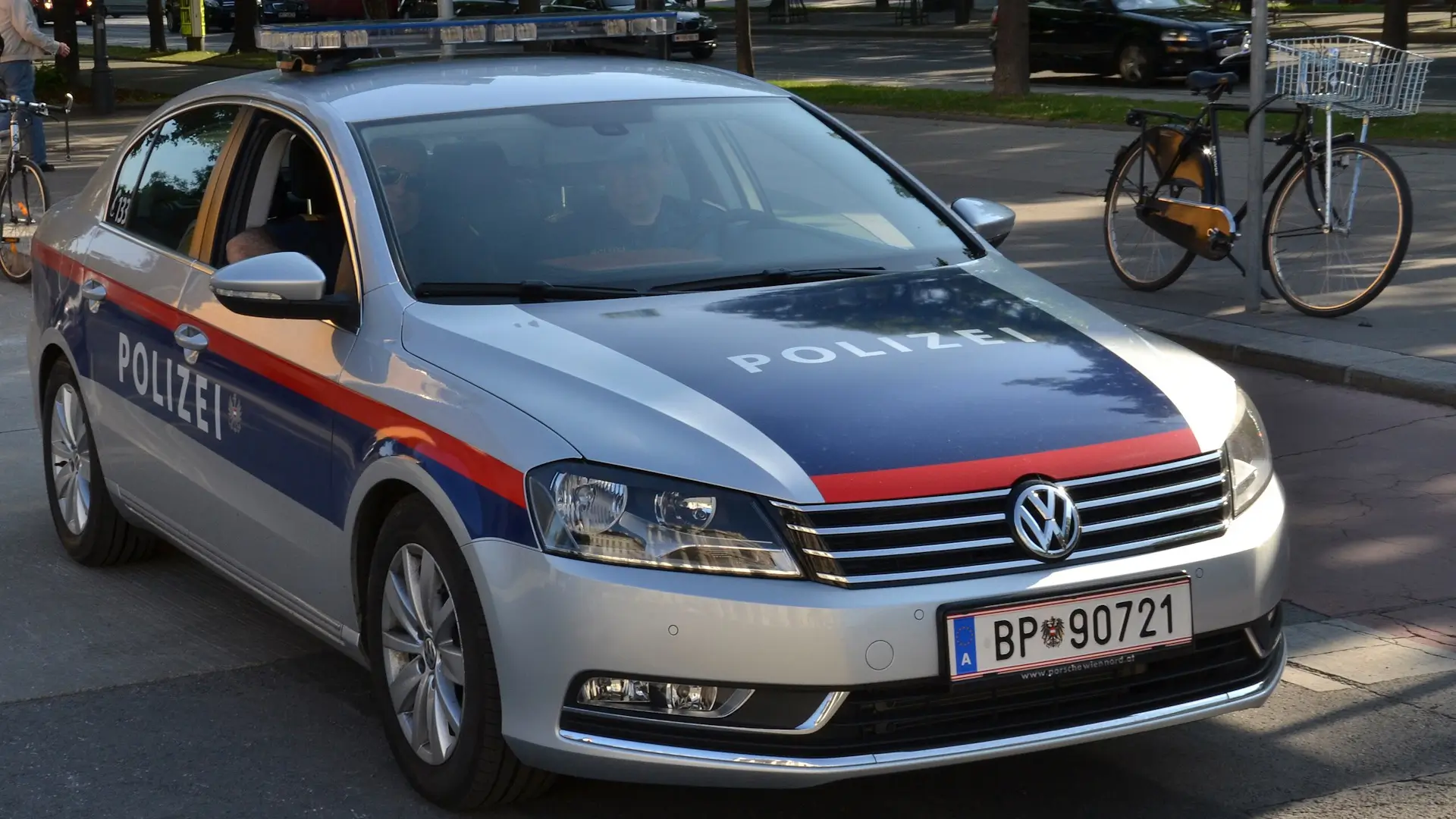
According to the BMI, specialized officers from the Vienna State Criminal Police Office and the Federal Criminal Police regularly carry out targeted inspections in studios, brothels, and so-called “walk-in houses.” These checks are designed to ensure that sex work is voluntary and legal, while also identifying possible cases of exploitation or coercion.

Legal Prostitution and Strict Rules
The ministry stresses that prostitution is legal in Austria, but only under strict conditions. Sex workers must be adults, have legal residence status, and undergo regular medical examinations. In Vienna, this system is regulated by the Vienna Prostitution Act of 2011.
A key requirement is the so-called “green card,” an official control document issued by the city of Vienna.
It confirms that health checks are carried out every six weeks, with blood tests every twelve weeks.
According to the BMI, this legal framework is considered one of the most advanced in Europe and gives police clearer authority during inspections, including undercover investigations.
Police Focus on Trust and Observation
During inspections, officers check identity documents, residence papers, and health cards. Mobile technology allows them to scan documents on-site and immediately access databases, speeding up the process.
However, the BMI emphasizes that paperwork is only part of the job. Informal conversations with sex workers play a crucial role. Officers are trained to recognize signs of pressure, dependency, or fear. The goal, the report says, is protection rather than punishment. Police want sex workers to know they can seek help if they feel threatened or exploited.
Shift Toward Illegal Apartment Prostitution
One major concern highlighted in the report is the rise of illegal prostitution in private apartments, a trend that increased during the COVID-19 pandemic and continues today.
Many services are now offered through online platforms, where clients contact women directly and arrange meetings in residential buildings.
While this may appear more discreet for clients, the BMI warns that it increases risks for sex workers.
Illegal apartment prostitution bypasses health checks and legal oversight, and women often do not know who will show up.
For police, this makes monitoring difficult and identifying trafficking victims much harder.
To address this, Austrian law allows undercover online investigations. Officers may pose as clients, arrange meetings, and intervene once an illegal service is clearly offered.
The report describes a recent case involving a rented apartment where illegal prostitution was confirmed, leading to fines for those involved.
International Cooperation Against Trafficking
The BMI also highlights strong cooperation between Austrian authorities and international partners. Human trafficking cases often involve cross-border networks, and Austria serves both as a transit and destination country.
Police work closely with tax authorities, regional police units, and foreign law enforcement agencies. According to the ministry, illegal prostitution alone does not automatically mean human trafficking, but it can be an important warning sign.
The report also covers legal street prostitution zones in Vienna, such as designated streets where the practice is allowed under strict rules. Police regularly check documents and speak with sex workers in these areas. Many women, the BMI notes, view the controls positively because they increase safety and provide a point of contact in case of problems.
A Difficult Balance
In conclusion, the Interior Ministry describes the fight against human trafficking as complex and demanding. Clear evidence is often hard to obtain, victims may be afraid to cooperate, and exploitation can remain hidden.
According to the BMI, the success of police work in this field is not measured by arrests alone, but by prevention, trust-building, and protecting vulnerable people. The ministry says its approach aims to balance law enforcement with human dignity in a sector that remains difficult to regulate.